
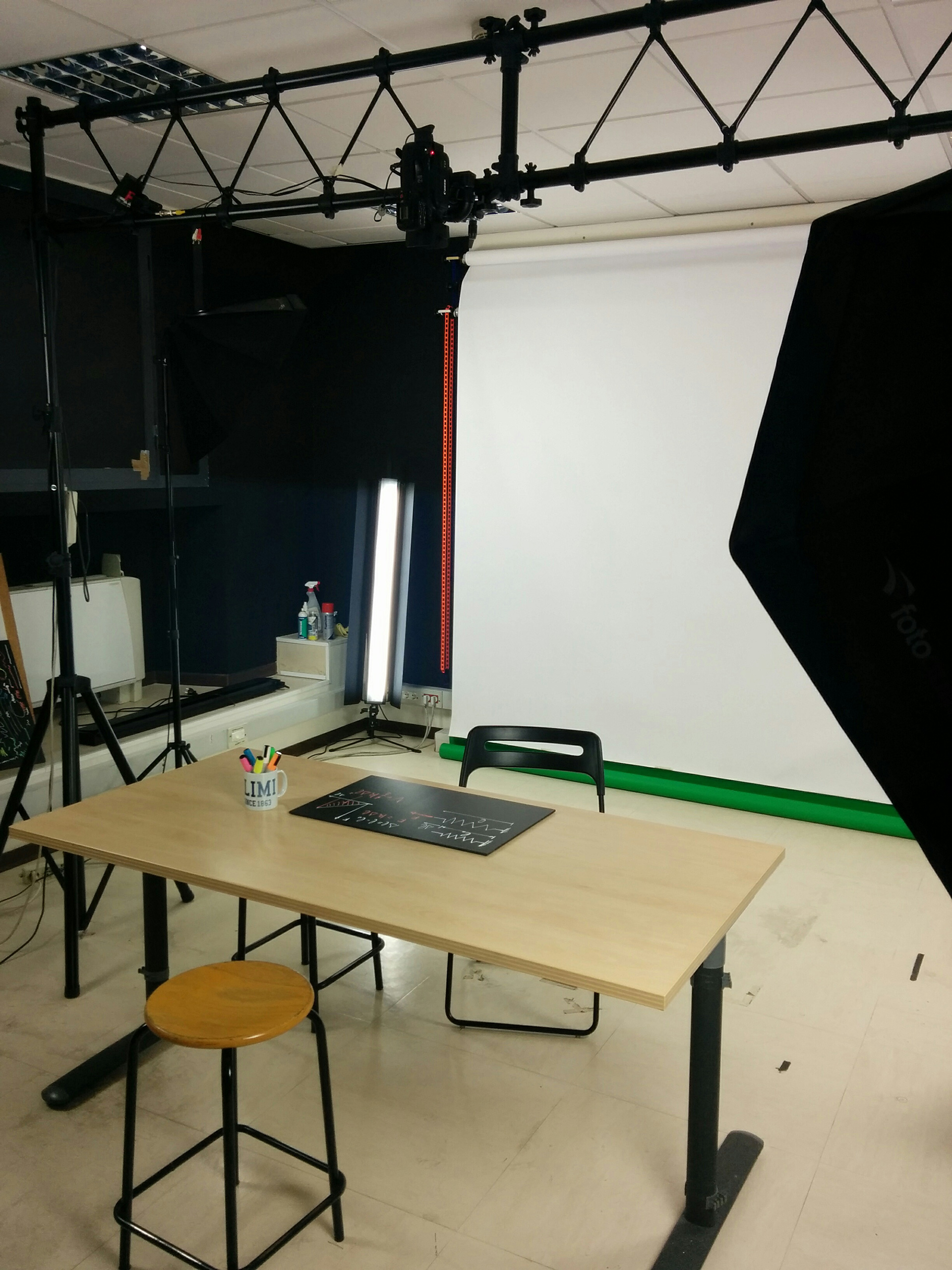
The importance of well-designed spaces
The evolution of contemporary education requires in-depth reflection on the learning spaces and their role in training processes.
It is no longer just a question of rethinking the classroom as a physical place, but of designing environments capable of harmoniously integrating presence and digital, fostering fluid, interactive and participative learning experiences.
Designing well-structured learning spaces means enhancing moments of presence, enriching them through integration of technologies which act as real bridges between the physical and online dimensions.
In this perspective, digital tools and platforms - such as online classes, webinars, MOOCs or virtual learning environments such as Moodle - become connecting elements that expand the possibilities for interaction, collaboration and content sharing.
The classroom is no longer a closed place, but is transformed into a extended class, open and interconnected, in which the boundaries between physical and digital space dissolve to create a dynamic and inclusive learning ecosystem.
Designing effective learning spaces therefore means building flexible contexts, capable of adapting to different teaching methods and learning styles, putting the student experience at the centre.
This vision requires us to consider three fundamental, closely interconnected dimensions:
- the physical dimension, related to the configuration of environments and the conscious use of space;
- the technological dimension, which supports and enhances interactions;
- the organisational dimension, which ensures coherence and continuity between the different activities and learning modes.
Only through the conscious design of these three dimensions is it possible to build truly “smart” environments”, capable of supporting innovative, flexible and responsive teaching.
MOOC
Spaces and Technologies for Smart Learning
The role of spaces in teaching: a key element in instructional design for both in-person and online learning.
The MOOC is part of the Smart Learning Design series that started with the first online course “Smart Learning Design: A visual method for designing effective in-person and online learning experiences.”. It is aimed at university and school teachers, trainers and decision makers in educational institutions, with the objective of providing logical and methodological tools useful for an effective Integration and exploitation of digital resources and technologies in classroom teaching.
How are learning spaces evolving? How are classroom activities integrated with online activities? How can we manage our spaces to meet the challenges of future changes?
During this course we try to understand what technical and technological resources are available, what teaching scenarios need to be taken into account and what variables need to be integrated in order to make prospective choices, within the context already examined in the SLD 101 MOOC.